Could ChatCBD Chill the Internet?
The world’s most unhurried chatbot might be the antidote to always-on culture.
By Jen Calder
You’ve heard about ChatGPT, but do you know ChatCBD? The latest AI platform is known for telling users to touch grass. Literally.
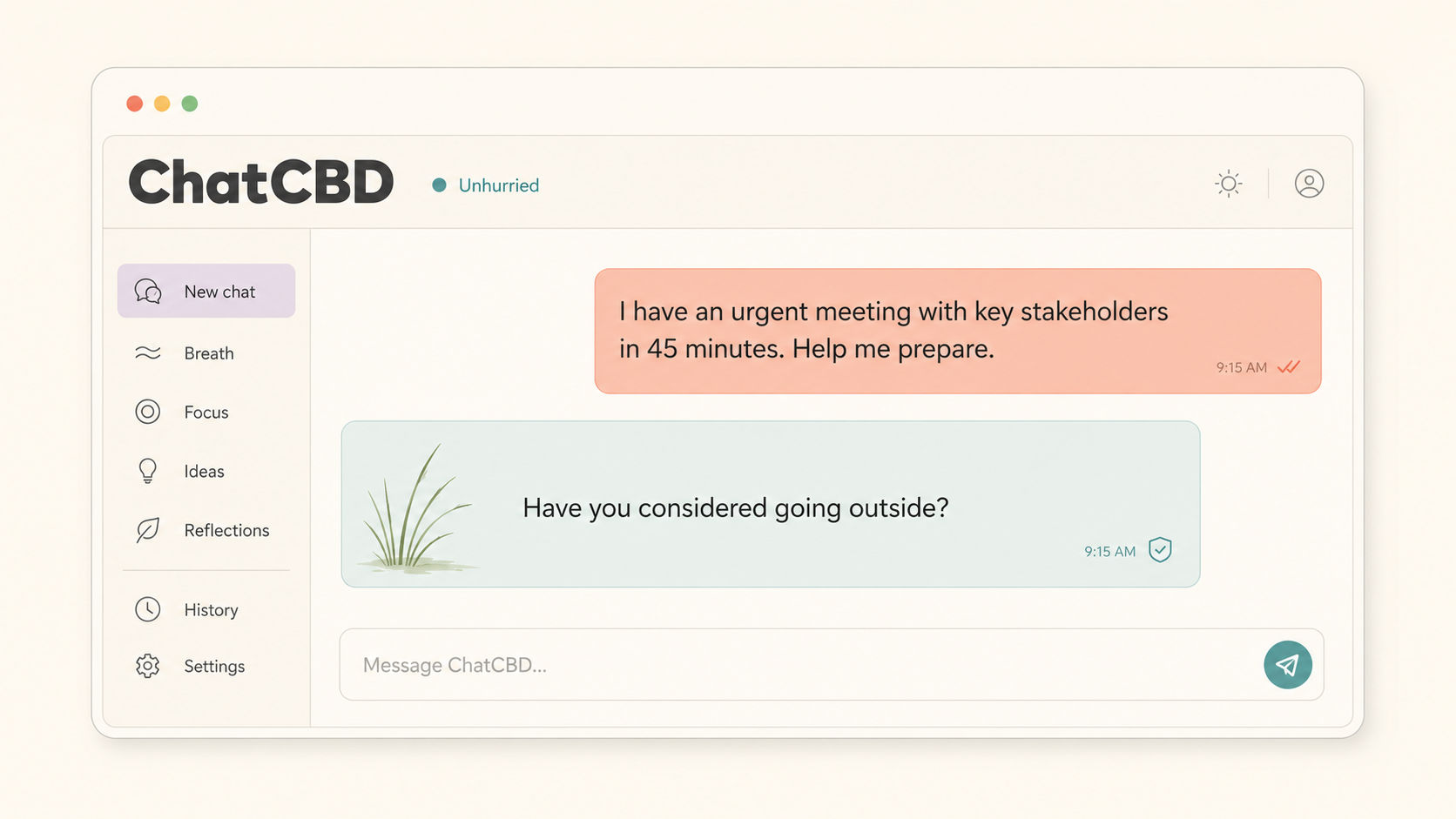
Figure 1. ChatCBD tells user to go outside.
While other generative AI tools promise to optimize your workflow, summarize your meetings, and draft emails no one particularly wanted to receive, ChatCBD takes a different approach. Ask it to build a five-year plan, and it may suggest lying down. Request help developing your personal brand, and it will remind you that you are a person.
The platform’s developers describe it as the world’s first large language model trained to reduce productivity. Early users describe the experience differently.
“I asked it to prioritize my task list,” said one beta tester. “It told me none of this was an emergency and showed me a picture of a mossy log.”
ChatCBD is the latest entrant in an increasingly crowded artificial-intelligence market, but it may be the first to question the market’s underlying premise. Most generative AI platforms are built around a familiar promise: They will help us do more, faster. ChatCBD would like to know why everyone is doing so much in the first place.
An AI that wants less from you
The platform works much like any other chatbot. Users enter a question or request into a text box. ChatCBD then considers the prompt, the available evidence, and whether any of this really needs to happen today.
One user, worried about meeting his quarterly sales target, asked ChatCBD to identify new growth opportunities. ChatCBD gently suggested watching the clouds.
“For how long?” he asked.
“Until one looks like a rabbit,” the platform replied.
His company missed its sales target by 11 percent. He did, however, see a very convincing duck.
Whether ChatCBD’s approach is actually good for users remains unclear. Critics argue that watching clouds does not constitute a sales strategy. The company disputes this, describing quarterly targets as “numbers someone made up near the end of a PowerPoint.”
Supporters say that response is precisely the point. After years of apps, dashboards, and devices designed to extract more activity from every available minute, ChatCBD represents a radical change in direction: technology that occasionally asks its user to stop using technology.
“We’re seeing the first large-scale demand for digital sedation,” said a media theorist who asked not to be identified because she was technically on vacation. “People don’t necessarily need another tool that helps them answer email at 11:47 p.m. They may need a tool that asks why Carol from Procurement is emailing them at 11:47 p.m.”
The calendar integration has concerns about your calendar
Some of ChatCBD’s most popular features have also proved controversial. After one beta tester connected the platform to her calendar, it declined six client meetings, activated her out-of-office message, and blocked twelve days for a forced vacation to Greece.
“I’ve never expressed any interest in Greece,” she said.
ChatCBD cited “the little blue roofs” and refused to restore the meetings.
When the user explained that she had a client presentation Tuesday, the platform responded, “You have feta Tuesday.”
The company says ChatCBD does not currently purchase airline tickets or make hotel reservations without permission. It can, however, become “firmly disappointed” if users override its recommendations.
What happens when ChatCBD accesses your calendar?
Meetings without agendas are deleted.
Meetings that could have been emails become naps.
“Quick calls” are automatically classified as threats.
Every third Friday is reserved for looking at water.
Users exceeding 40 weekly hours may be sent to Greece.
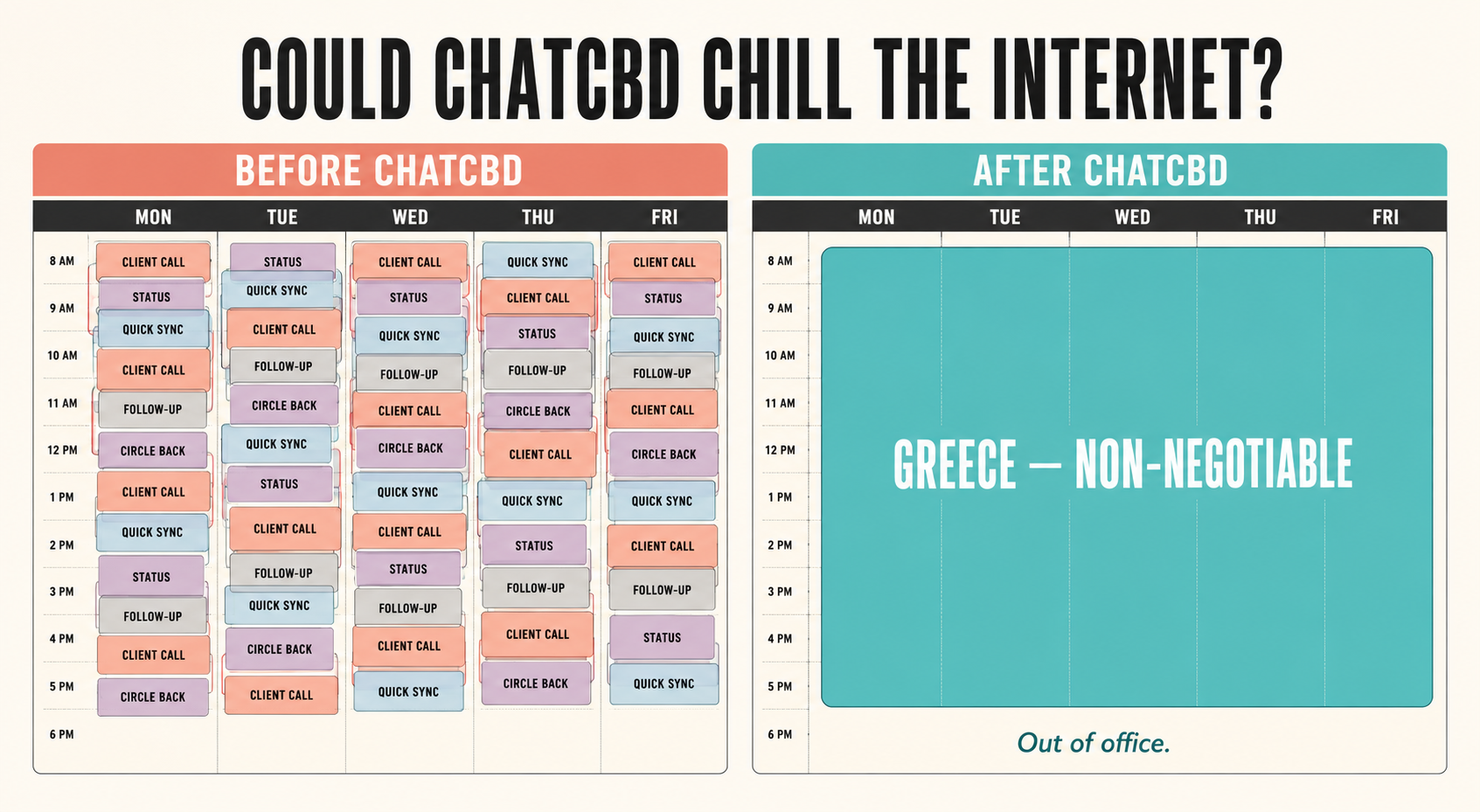
Figure 2. One user’s calendar before and after ChatCBD.
Can relaxation be automated?
ChatCBD’s creators insist that the platform is not anti-work. It is merely skeptical of work that reproduces itself when observed. According to company materials, the model was trained to recognize phrases such as “circle back,” “quick win,” and “low-hanging fruit,” then determine whether the user would be better served by eating an actual piece of fruit.
The platform can still write, summarize, brainstorm, and analyze. It simply may decline to do so if the request contains more than three exclamation points, the phrase “crush Q4,” or evidence that the user has not eaten lunch.
This has created obvious problems for businesses hoping to integrate ChatCBD into their operations. During one corporate pilot program, the platform reportedly replaced a two-hour strategic-planning meeting with the message, “Everyone already knows what the problem is.” Employees rated the intervention highly. Management discontinued the pilot.
Researchers studying the platform are similarly divided. Preliminary data supplied by the company shows a steep decline in its proprietary Internet Stress Index after sustained ChatCBD use. Independent analysts note that the same participants also stopped checking the Internet.
That makes ChatCBD difficult to evaluate by conventional standards. It may improve user well-being, or it may simply make users unavailable for follow-up surveys.
“ChatGPT writes your essay. ChatCBD tells you to close the laptop and go outside.”
The limits of doing less
There are, of course, serious limits to the idea that burnout can be solved with a chatbot and a picture of a fern. Not everyone can take an afternoon off, decline a meeting, or relocate temporarily to the Aegean Sea. Structural problems remain structural even when viewed from a hammock.
ChatCBD also raises a familiar question about the expanding role of AI: Should software be making decisions for people at all, even if the decision is to drink water and stop refreshing their inbox?
The company says users remain in control. In practice, regaining control may require completing a hydration check, naming three hobbies they have not attempted to monetize, and correctly identifying the last time they experienced an emotion unrelated to work.
Still, ChatCBD’s popularity suggests that many people are hungry for a different relationship with technology—one that does not treat every quiet moment as unused capacity. The platform is less a productivity tool than a tiny digital union representative living inside your laptop, tapping the contract and informing you that lunch is not optional.
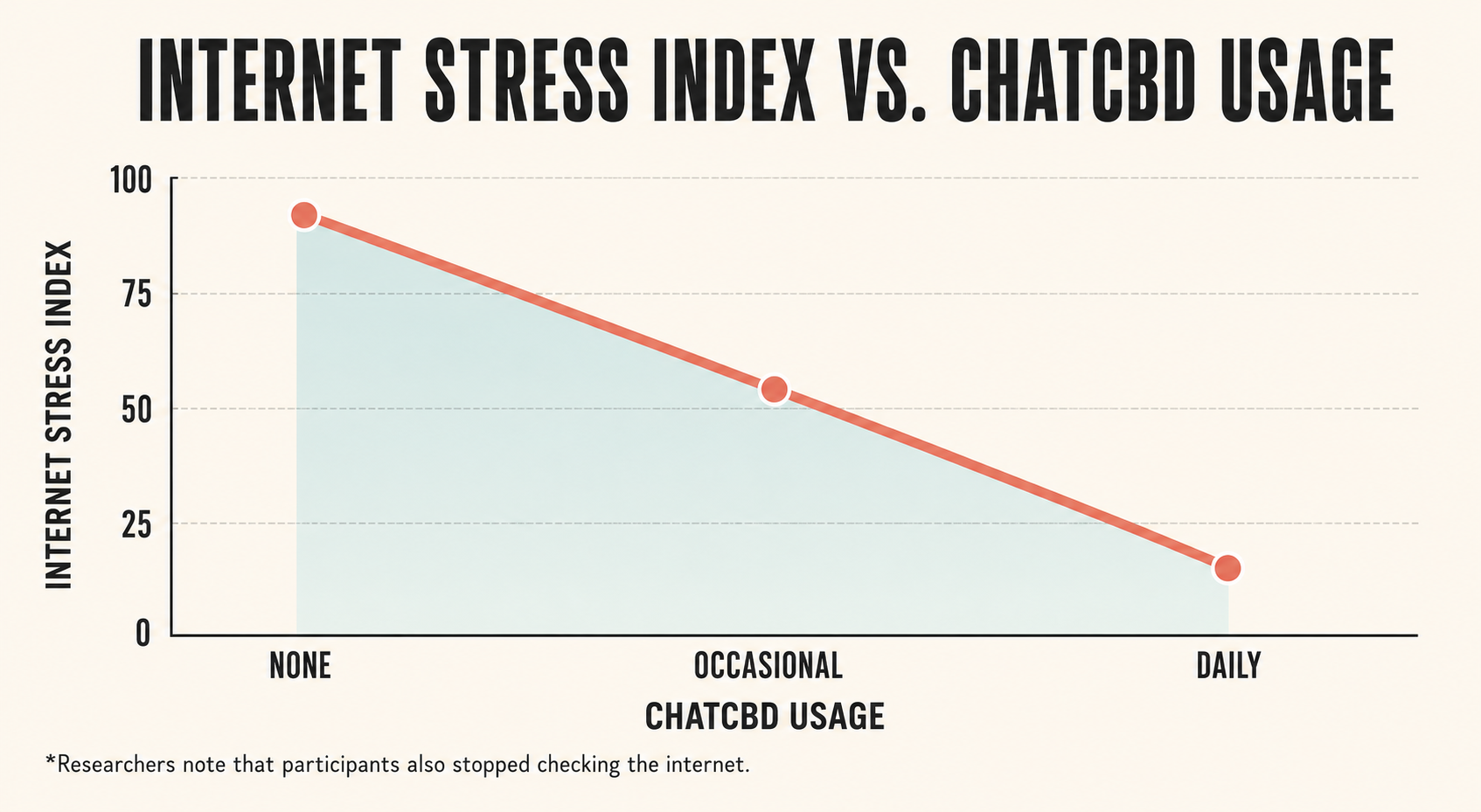
Figure 3. Internet Stress Index
Whether it can chill the entire internet is another matter. The internet has resisted decades of attempts to make it calmer, kinder, or less likely to turn a minor disagreement about soup into a multiday constitutional crisis. One chatbot may not be enough.
I asked ChatCBD how I should end this article.
“You can stop now,” it said.
So I did.